Women Are Dominating Cork’s Alternative Music Scene
When you think of punk, you might picture the Sex Pistols, The Clash, or the Ramones. Men with loud voices, who address their turmoil and frustrations with the world through distorted electric guitar and gritty vocals. It’s a valid picture, but it’s not the whole picture. Women were also forerunners of this alternative music genre and essential contributors to the 1970s Punk movement.
The punk movement was the ‘anti-‘ music scene. It was rebellious, political, and often fuelled by anger against systems of oppression, something women had a lot to say about. On the small stage of CBGBs, often cited as the birthplace of punk, Patti Smith blended poetic lyrics with punk sonics. Poly Styrene fronted X-Ray Spex as they raged through the London punk scene. Siouxsie Sioux was lead singer of Souxsie and the Banshees, who are considered post-punk pioneers and helped spawn the gothic scene. However, as is unfortunately common in the history books, women are often forgotten and discredited from punk music (and music history in general).
The history of Cork’s music scene is intertwined with punk. The Arcadia Ballroom was a hive of activity. Bands like Nun Attax (later Five Go Down to the Sea), were local legends, and made frequent appearances on the Cork City stage. The threads of that relationship with alternative and punk music can still be felt today in the Cork music scene, and often when you feel it, it’s because a woman is making you.
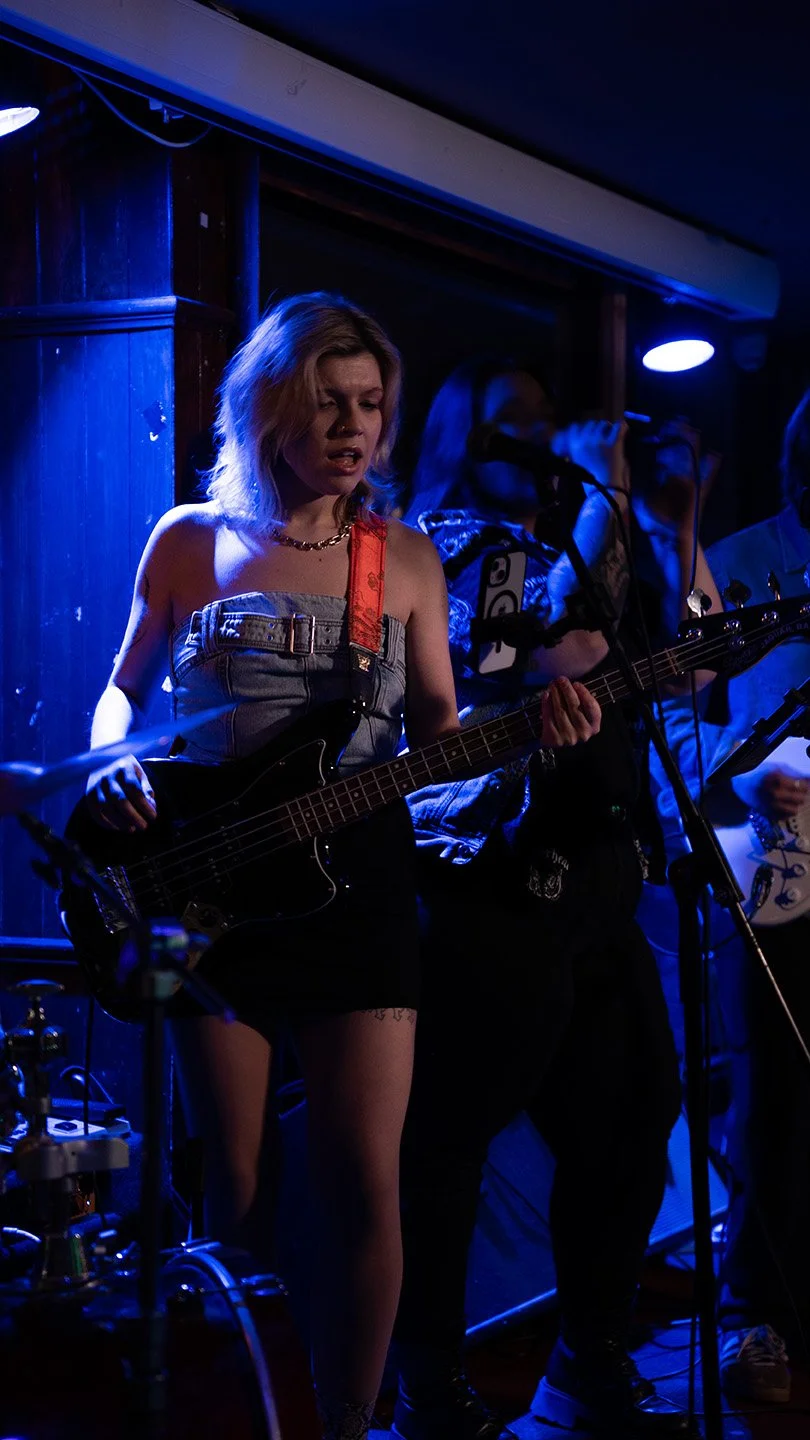
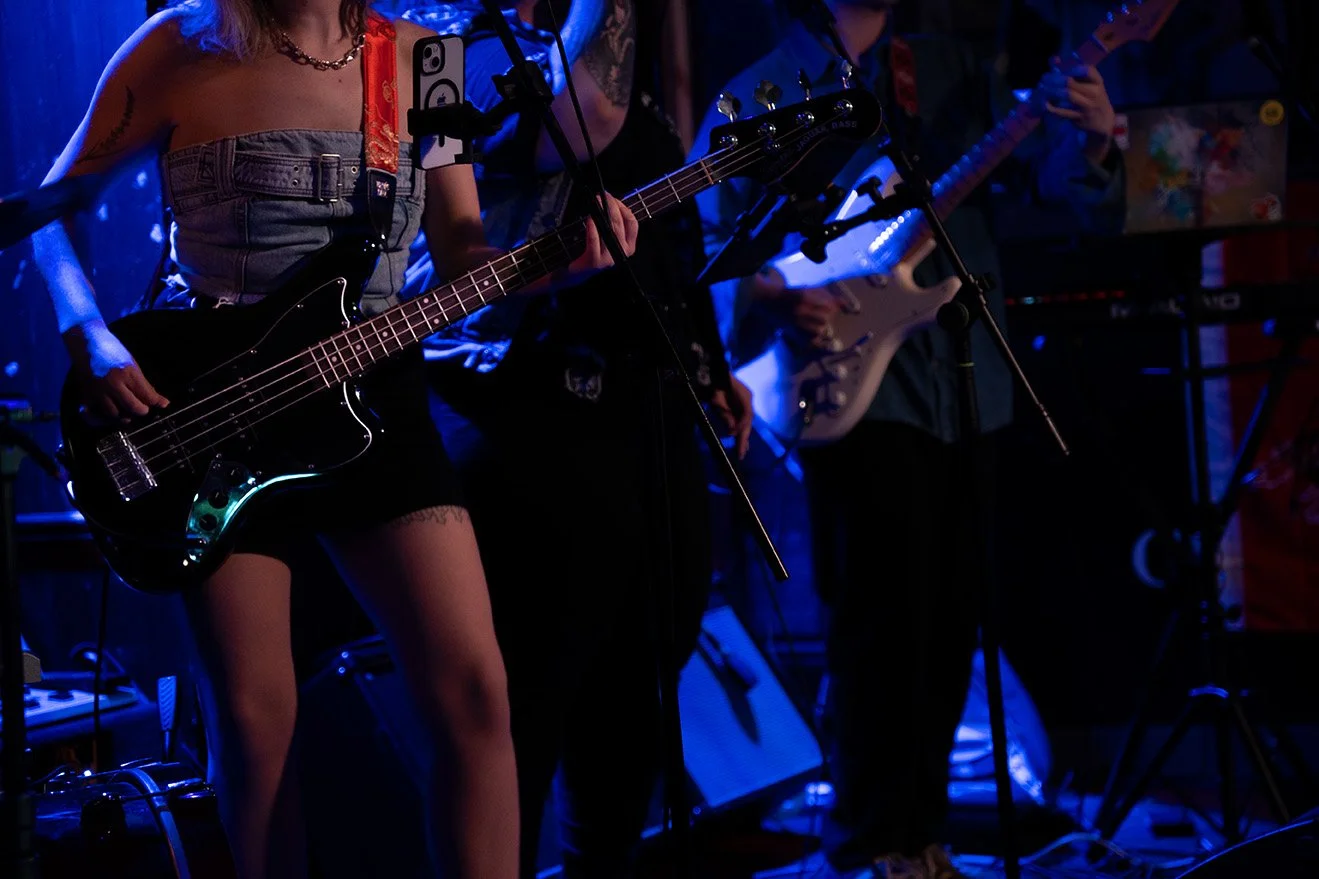
There is a movement of post-punk, shoegaze, indie, and hardcore music happening in Cork right now, and it’s exciting to see that women are at the front of it. Female or female-fronted bands like the Cliffords, Mossy, I dreamed I dream, HannahBella, and Other Mother are making their mark and producing some incredible music. Despite these women taking up the space they deserve in the music landscape, women still face huge challenges in the music scene, struggling against misogyny and toxic masculinity.
Julia Pawlak is the singer and guitarist of local post-hardcore (a sub-genre of punk) band Red Sun Alert, which she formed in 2017. She is an absolute force on stage, shredding guitar and yelling lyrics into the mic. The band are well known in Cork now, but Julia faced some real challenges as a woman fighting for her place in the ‘boys club’ of the scene here. “I didn’t find the music scene here very welcoming at all when we started out, I felt it was a very hostile environment, and I had to fight my way through it. Back when Red Sun Alert formed, people were almost angry that I was doing it. It was men primarily, especially middle-aged men. They thought they knew better. After almost every single gig, I had lads come up to me and be like ‘oh I think you should do this or that.’ I thought, I’m not asking you what should I do.”
Julia moved to Ireland from Poland when she was 9 years old. She had always loved music and performing, having spent her childhood in choir and dancing. At 13, she got her first guitar and she decided “I’m going to practice, I’m going to be good at this.” She formed her first band after seeing her friends performing Nirvava covers: the music style stuck with her, as did the desire to pursue music. Initially, when she was younger, she found people to be condescendingly supportive of her pursuits, but as she got older and showed that she was taking music seriously, she received a much more negative response.
“When I started at 15 or 16, people were like ‘Oh, that’s cute they’re young’ but when I was 18 and I was serious about it, people seemed to think ‘she actually wants to do this? Let’s put her down.’”
Julia spoke about how Joan Jett was a huge inspiration to her. When she first picked up the guitar, she started learning songs by Jett, or copying covers Jett had done. “She is literally the embodiment of f- what everyone says, don’t care about anyone’s opinion. She was told no so many times, and she never gave up. I love that, it’s such an influential thing to a young girl like myself.” Now Julia is carrying on in her idol’s footsteps, and inspiring young girls to pick up an instrument and get playing.
Every time she and her peers take the stage, they’re following on from a long line of women who weren’t afraid to break boundaries. When speaking about the scene in Cork, Julia was quick to list female fronted bands she loved. “It’s amazing to see so many women in Cork making alternative music. Unfortunately, girls get discouraged from playing, we’re still surrounded by a lot of toxic masculinity.”
Her advice to young girls who want to play music? “If someone’s telling you you’ll never do it, give them the middle finger. Unfortunately, being a young girl and wanting to play music, especially wanting to play heavy or rebellious music, people are always going to look down on you. Just keep at it, keep going, and don’t care about anyone’s opinion.”